
Introduction
High cholesterol is a major risk factor for heart disease and stroke, two of the leading causes of death worldwide. Cholesterol itself isn’t harmful—your body needs it to build cells and produce hormones. However, having too much LDL (“bad”) cholesterol can lead to plaque buildup in the arteries, increasing the risk of cardiovascular disease.
The good news is that your diet can have a meaningful impact on cholesterol levels. While there is no single food that lowers cholesterol overnight, regularly eating heart-healthy foods can help improve your cholesterol profile over time, especially when combined with exercise, weight management, and other healthy habits.
In this guide, you’ll discover the top 10 healthy foods that may help reduce cholesterol naturally, along with practical tips for including them in your daily meals.
Disclaimer: This article is for educational purposes only and is not a substitute for professional medical advice. If you have high cholesterol or heart disease, consult your healthcare provider for personalized recommendations.
Understanding Cholesterol
There are two main types of cholesterol that healthcare professionals commonly monitor:
LDL (Low-Density Lipoprotein)
Often called “bad cholesterol,” high LDL levels can contribute to plaque buildup inside arteries.
HDL (High-Density Lipoprotein)
Known as “good cholesterol,” HDL helps carry excess cholesterol away from the bloodstream to the liver, where it can be removed from the body.
The goal is generally to lower LDL while supporting healthy HDL levels.
1. Oats and Whole Grains
Oats are one of the best foods for heart health because they contain beta-glucan, a type of soluble fiber that helps reduce the absorption of cholesterol in the digestive system.
Other good whole grains include:
- Barley
- Brown rice
- Whole wheat
- Quinoa
Starting your day with oatmeal can be a simple way to increase soluble fiber intake.
2. Beans and Lentils
Beans, lentils, chickpeas, and peas are rich in soluble fiber and plant protein.
Benefits include:
- Helping lower LDL cholesterol
- Supporting healthy digestion
- Promoting fullness, which may assist with weight management
They also make an excellent alternative to processed or high-fat meats.
3. Fatty Fish
Fish such as:
- Salmon
- Sardines
- Mackerel
- Trout
are rich in omega-3 fatty acids.
Omega-3s support heart health by helping maintain healthy triglyceride levels and may reduce the risk of cardiovascular disease when included as part of a balanced diet.
Aim for two servings of oily fish each week if appropriate for your diet.
4. Nuts
Almonds, walnuts, pistachios, and pecans provide healthy unsaturated fats, fiber, and plant sterols.
Eating moderate portions of unsalted nuts may help improve cholesterol levels as part of an overall heart-healthy eating pattern.
Because nuts are calorie-dense, portion control is important.
5. Avocados
Avocados are rich in monounsaturated fats, which can support healthy cholesterol levels when they replace foods high in saturated fat.
They also provide:
- Fiber
- Potassium
- Vitamin E
- Folate
Try adding sliced avocado to salads, sandwiches, or whole-grain toast.
6. Olive Oil
Extra virgin olive oil is a key component of the Mediterranean diet.
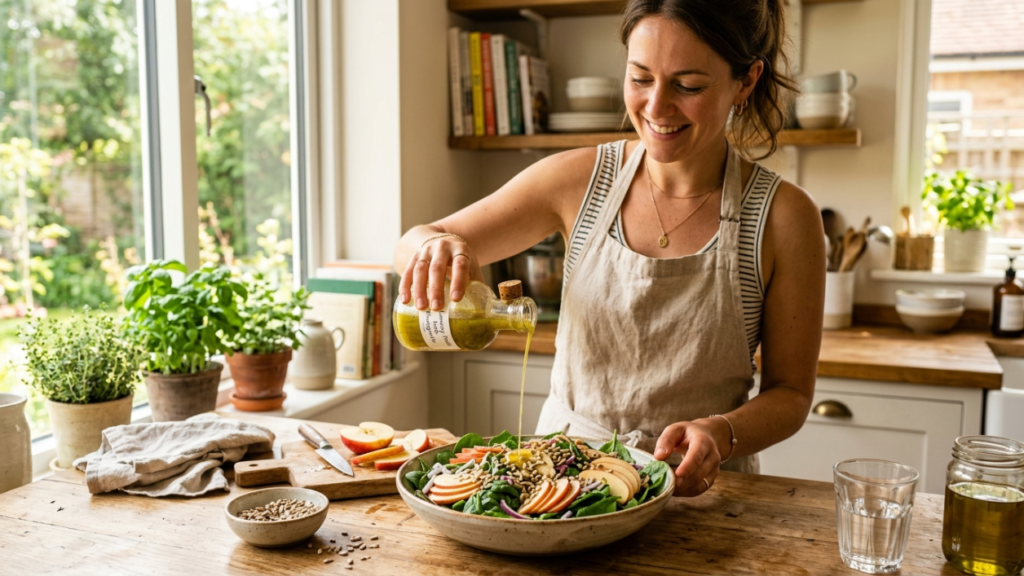
Replacing butter or other sources of saturated fat with olive oil may help support healthier cholesterol levels and overall heart health.
Use it for:
- Salad dressings
- Roasted vegetables
- Light sautéing
7. Fruits Rich in Soluble Fiber
Many fruits contain soluble fiber that supports healthy cholesterol levels.
Excellent choices include:
- Apples
- Pears
- Oranges
- Berries
- Grapefruit (check with your healthcare provider if you take medications that interact with grapefruit)
Aim to eat a variety of colorful fruits throughout the week.
8. Leafy Green Vegetables
Vegetables such as:
- Spinach
- Kale
- Swiss chard
- Collard greens
provide fiber, antioxidants, vitamins, and minerals that support cardiovascular health.
Filling half your plate with vegetables is an easy way to improve overall diet quality.
9. Soy Foods
Soy-based foods such as tofu, edamame, and soy milk can replace higher-fat animal products in some meals.
They provide plant protein and may contribute to modest improvements in cholesterol when used as part of a balanced eating pattern.
Choose minimally processed soy products whenever possible.
10. Chia Seeds and Flaxseeds
These tiny seeds are packed with:
- Soluble fiber
- Omega-3 fats (ALA)
- Plant protein
You can add them to:
- Oatmeal
- Yogurt
- Smoothies
- Salads
Grinding flaxseeds before eating may improve nutrient absorption.
Foods That Can Raise Cholesterol
To support healthier cholesterol levels, try to limit:
- Processed meats
- Fried foods
- Fast food
- Butter
- High-fat processed snacks
- Baked goods high in trans fats
- Sugary beverages
Replacing these foods with whole, minimally processed options can have long-term benefits for heart health.
Lifestyle Habits That Support Healthy Cholesterol
Diet works best when combined with healthy daily habits.
- Exercise regularly (aim for at least 150 minutes of moderate activity per week).
- Maintain a healthy weight.
- Avoid smoking.
- Limit alcohol if you drink.
- Get enough sleep.
- Manage stress.
- Attend regular health checkups and cholesterol screenings.
Frequently Asked Questions
Can food lower cholesterol quickly?
Dietary changes can begin improving cholesterol levels within weeks, but meaningful changes usually take time and consistent healthy habits. There is no single food that instantly lowers cholesterol.
Are eggs bad for cholesterol?
For most people, moderate egg consumption can fit into a healthy diet. Saturated fat intake and overall dietary patterns generally have a greater impact on blood cholesterol than dietary cholesterol alone.
Which fruit is best for lowering cholesterol?
Apples, pears, berries, and citrus fruits are excellent choices because they contain soluble fiber and beneficial plant compounds.
Is oatmeal good for cholesterol?
Yes. Oats are rich in beta-glucan, a soluble fiber that can help reduce LDL cholesterol as part of a balanced diet.
Final Thoughts
Lowering cholesterol naturally starts with consistent, healthy food choices. Oats, beans, fatty fish, nuts, avocados, olive oil, fruits, leafy greens, soy foods, and seeds all contribute to a heart-healthy eating pattern that can support healthier cholesterol levels over time.
While these foods can make a meaningful difference, they work best alongside regular exercise, weight management, adequate sleep, and avoiding smoking. If you have high cholesterol or a history of heart disease, follow your healthcare provider’s recommendations, including medications if they are prescribed.